

Press Releases

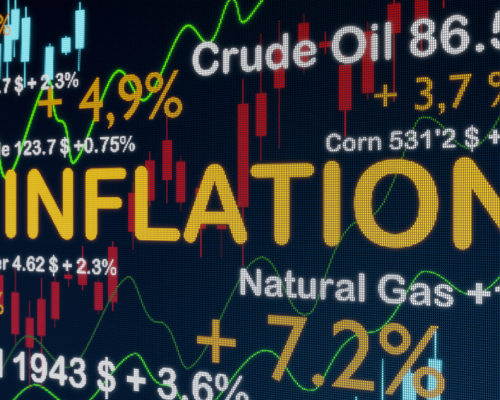
Last week, we began the process of overviewing the big-picture macro drivers of the stock market as we explored the state of the economy and expectations for earnings. The bottom line take was the economy appears to be doing just fine, thank you, and the consensus for earnings growth this year looks strong - as in, very strong.
To be sure, there has been a fair amount of news and volatility since that post. And it would be logical to address what is happening with all the geopolitical issues, market breadth, the state of the AI trade, etc. However, so far at least, nothing has happened to impact the primary trend of the market. As such, I think it best to continue with our overview of the macro drivers.
Since we covered the economy and earnings last week, we've still got the topics of Inflation, the Fed/Monetary Policy/Rates, and Valuations to review. So, let's get to it...
The Definition of Inflation
According to the Federal Reserve: "Inflation is the increase in the prices of goods and services over time... a general increase in the overall price level of the goods and services in the economy."
Investopedia and standard textbooks say inflation is "a gradual loss of purchasing power that is reflected in a broad rise in prices for goods and services over time."
The International Monetary Fund (IMF) says, "Inflation is the rate of increase in prices over a given period of time... how much more expensive a set of goods and services has become."
Or, as I recall from my very first Econ class a lifetime ago, inflation is "too many dollars chasing too few goods."
All Eyes
There can be little argument that inflation has been a focal point of the Federal Reserve, politicians, consumers, and the markets for several years now. Unless you've been living under a rock, you likely know that inflation soared after the COVID crisis on the back of the government dropping trillions of dollars into people's checking accounts and manufacturing supply chains going haywire.
The result was the fear that the U.S. was about to revisit the 1970's inflation nightmare where the Fed eventually won the war but almost killed economy in the process. And with the CPI (Consumer Price Index) approaching double digits in early 2022, one couldn't be blamed for worrying.
However, as COVID fell away and supply chains adjusted, so too did the rate of inflation. And by early 2024, the CPI was close to levels seen before face-coverings became a fashion statement. The question, of course, is if the spike in inflation is now "whipped."
While it is hard to predict pricing policy of corporate America and consumer behavior, which ultimately drives the rate of inflation, it is possible to model the components of the CPI and the historical causes of inflation.
The best way to see if we’re a good fit is to have a conversation. Call, email, or fill out the form below to speak with one of our team members. We’ll get in touch as soon as possible.